Spring Pruning Ideas and Tips From Local Service Providers
Spring is the perfect time for property owners to connect with local contractors skilled in Japanese pruning to refresh and maintain healthy, attractive trees.
Spring is a popular season for Japanese pruning because it offers an ideal window to shape and refresh trees and shrubs as they emerge from dormancy. During this time, new growth begins to appear, allowing for precise trimming that encourages healthy development and maintains the desired form. Many property owners consider spring pruning to enhance the aesthetic appeal of their landscapes, promote better air circulation, and prepare plants for the active growing season ahead. Additionally, early-season pruning can help identify and address any winter-related damage, ensuring that trees and shrubs remain strong and resilient throughout the year.
Typically, Japanese pruning services cover a range of tasks tailored to the specific needs of ornamental trees and shrubs. This often includes thinning dense branches to improve light penetration and airflow, removing dead or diseased wood, and shaping plants to achieve a balanced and attractive appearance. Service providers may also focus on maintaining the natural elegance of Japanese-style trees, which often requires specialized techniques to preserve their aesthetic and structural integrity. Proper pruning during spring can also promote vigorous growth and help prevent future problems by addressing structural issues early.
Property owners interested in Japanese pruning can compare local service providers by considering several factors. It is helpful to review the scope of services offered, ensuring they include the specific pruning techniques suited to Japanese trees and shrubs. Checking for experience working with similar plant types and understanding local climate conditions can also be beneficial. Additionally, evaluating the reputation of local contractors through references or community feedback can provide insight into their reliability and quality of work. By comparing these aspects, property owners can find experienced service providers capable of meeting their landscape maintenance needs effectively.
Compare local contractors' expertise and priorities to find the best fit for your spring pruning project.
- Seasonal Pruning Benefits - Proper pruning in spring promotes healthy growth and enhances the appearance of trees and shrubs.
- Expert Tree Trimming - Local contractors can assess and prune trees to remove dead or overgrown branches safely.
- Plant Health Improvement - Pruning helps improve air circulation and reduces disease risk for your plants.
- Customized Pruning Solutions - Service providers can tailor pruning techniques to suit specific plant types and landscape needs.
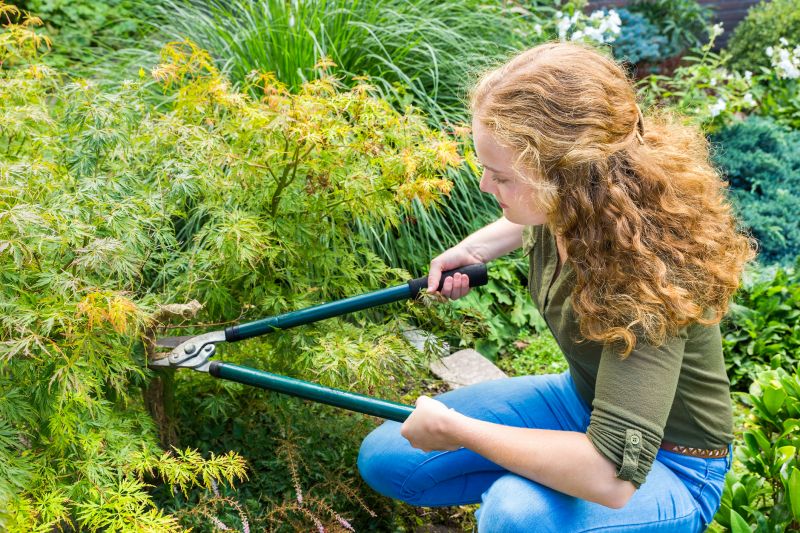
Before comparing options, clearly describe your Japanese pruning project to help connect with suitable local service providers.
- Assess tree structure - look for crossing or rubbing branches that may need thinning or removal.
- Remove dead or diseased wood - identify and prune away any branches showing signs of decay or damage.
- Thin dense growth - reduce overcrowded areas to improve air circulation and light penetration.
- Shape the canopy - consider the natural growth habit to maintain a balanced and healthy form.
- Prune for new growth - encourage healthy spring growth by selectively trimming prior to the season's peak.
- Consult local contractors - find experienced service providers who can handle precise pruning tailored to the plant species.
Use Japanese pruning ideas to refine your scope and inspire seasonal garden improvements.
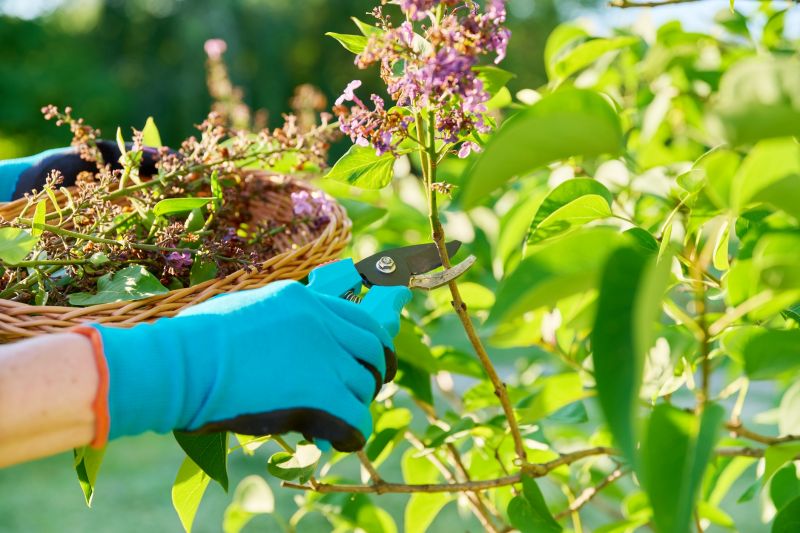
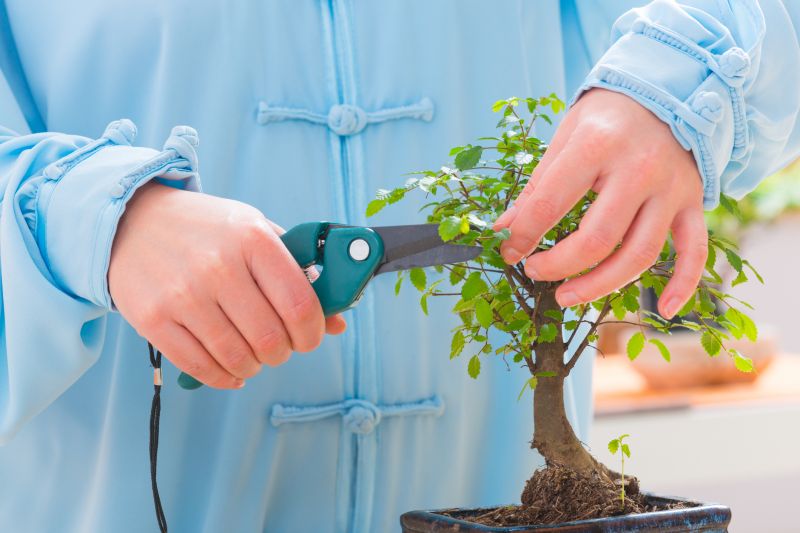
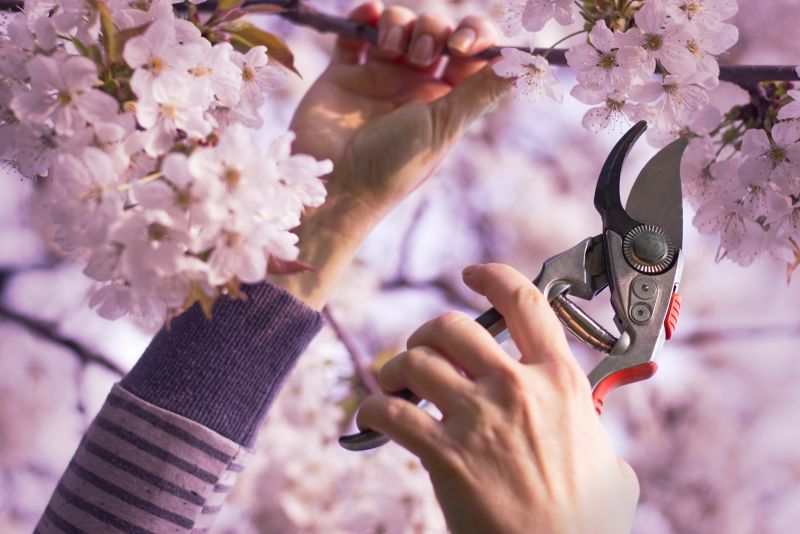
Prioritize your pruning needs and compare local contractors to find the best fit for your spring refresh.
- Pruning Techniques for Spring Growth - local contractors can help shape trees and shrubs to promote healthy growth during the spring season.
- Removing Winter Damage - local service providers can prune away broken or dead branches caused by winter weather to refresh plant health.
- Thinning and Shaping - local pros can selectively thin out dense foliage to improve airflow and light penetration in spring.
- Training Young Trees - local contractors can assist with shaping and supporting young trees to develop strong, healthy structures.
- Preparing for Blooming - local service providers can prune and shape plants to encourage vibrant spring blooms and overall plant vitality.
Use this scope builder to compare local contractors' Japanese pruning services and ensure consistent project expectations.
- Assessment of Tree Structure - Define the current shape, branch placement, and overall health of the tree to determine pruning needs.
- Pruning Objectives - Clarify goals such as improving appearance, promoting growth, or removing dead or damaged branches.
- Tools and Techniques - Identify the appropriate pruning tools and methods suitable for the tree species and size.
- Seasonal Considerations - Consider the best timing for pruning to support spring growth and minimize stress on the tree.
- Safety and Accessibility - Ensure the work area is evaluated for safe access and that safety practices are followed during pruning.
When considering Japanese pruning services during the spring season, it is important to evaluate the experience of local contractors with similar projects. Homeowners should seek out providers who have a proven track record of handling delicate pruning work on Japanese maples, cherry trees, or other ornamental species common to the region. An experienced service provider will understand the specific techniques required to maintain the health and aesthetic appeal of these plants, ensuring that the pruning enhances their natural form while promoting vigorous growth.
Clarity in the scope of work is essential when comparing local contractors for Japanese pruning. Homeowners should look for service providers who can clearly communicate what the pruning process will involve, including the extent of trimming, shaping, and any additional care recommendations. A well-defined scope helps set expectations and ensures that both parties are aligned on the desired outcomes, reducing potential misunderstandings and ensuring the project addresses the specific needs of the trees and landscape.
Work planning considerations are also crucial when evaluating options for spring pruning projects. Homeowners should inquire about how contractors plan their work, including the timing of pruning, the tools used, and the steps taken to protect surrounding plants or landscape features. A professional service provider will consider the site conditions, plant health, and seasonal best practices, demonstrating a thoughtful approach to scheduling and execution that aligns with the spring season’s emphasis on rejuvenation and growth.
Evaluating options without focusing solely on prices involves assessing the experience, scope clarity, and planning approach of local service providers. Homeowners can ask for detailed descriptions of past projects, request references or examples of similar work, and discuss how each contractor approaches the pruning process. By comparing how providers communicate their methods and expertise, homeowners can identify the professionals best suited to achieve their desired results, ensuring that the spring pruning project is handled with care and attention to detail.
Ask service providers to clarify the scope of pruning work to ensure spring planning stays focused and consistent.
- Types of Pruning - Which pruning techniques do local contractors specialize in for spring maintenance?
- Scope of Service - What specific pruning services are offered to prepare trees and shrubs for the season?
- Provider Experience - How do different local contractors compare in their experience with Japanese pruning methods?
- Service Coverage - Do providers focus on residential gardens, commercial landscapes, or both for spring pruning?
- Customization Options - Can local service providers tailor pruning approaches based on plant types and seasonal needs?
What is Japanese pruning? Japanese pruning is a specialized technique that involves careful trimming and shaping of trees and shrubs to promote healthy growth and enhance their aesthetic appeal during the spring season.
When is the best time for Japanese pruning in spring? The ideal time for Japanese pruning is during early spring when plants are emerging from dormancy, allowing for optimal shaping and health benefits.
How can Japanese pruning improve the appearance of my garden? Japanese pruning can create a balanced, harmonious look by emphasizing natural forms, removing dead or overgrown branches, and encouraging new growth for a refreshed garden aesthetic.
Are there different techniques involved in Japanese pruning? Yes, Japanese pruning includes various techniques such as thinning, heading back, and shaping to achieve specific artistic and health-related goals for plants.
What types of plants benefit most from Japanese pruning? This pruning style is especially effective for ornamental trees, bonsai, and shrubs that require precise shaping and maintenance for a refined appearance.
How can I find local contractors who specialize in Japanese pruning? To connect with experienced service providers, consider using a lead generation platform that helps compare and contact local professionals skilled in Japanese pruning services.
Spring is an ideal time to refresh your landscape by focusing on Japanese pruning techniques. This seasonal approach helps maintain healthy growth, enhances the beauty of your trees and shrubs, and prepares your yard for the warmer months ahead. Understanding the basics of pruning can make a noticeable difference in the appearance and vitality of your plants, encouraging lush, well-shaped growth that complements your outdoor space.
To explore your options for Japanese pruning services, consider using the quote form to compare local contractors. Connecting with experienced service providers can help ensure your spring landscape projects are handled with care and expertise. Taking the time to evaluate different local options allows for informed decisions that align with your gardening goals and seasonal planning.
Providing clear details about your Japanese pruning project helps local contractors understand your needs and plan accordingly.
- Tree Structure - Share details about the type and size of trees you want pruned.
- Pruning Goals - Describe whether the focus is on shaping, health, or removing dead branches.
- Access and Location - Indicate the location and accessibility of the trees to assist with planning.
- Previous Work - Mention any prior pruning or maintenance done to provide context for the project.