Compare Local Contractors for Tree Canopy Thinning Services
Compare local contractors for tree canopy thinning to define scope, verify experience, and set clear expectations for a successful project.
Tree canopy thinning involves selectively removing or reducing certain branches and limbs within a tree’s upper layers to improve overall health, safety, and appearance. This work typically covers assessing which parts of the canopy need thinning, planning the appropriate cuts, and executing the removal to promote better airflow, reduce weight, and prevent potential hazards such as falling branches. Property owners should ensure that the scope of work is clearly defined before hiring a contractor, specifying which trees or sections are involved, the extent of thinning desired, and any particular concerns or goals. Having a detailed scope helps prevent misunderstandings and ensures that the work aligns with the property’s needs.
Defining the scope of a canopy thinning project is essential because it guides the entire process and sets clear expectations for outcomes. A well-outlined scope includes details about the number of trees, the specific areas to be thinned, and the level of intervention required. This clarity allows property owners to compare local contractors effectively, focusing on those who understand the project’s requirements and can communicate their approach. When reviewing proposals or estimates, it’s beneficial to verify that contractors have experience with similar work and that their suggested scope matches the property’s needs.
Comparing local contractors for canopy thinning services involves evaluating their experience, reputation, and approach to defining scope. Property owners can ask for references or examples of past projects to gauge a contractor’s familiarity with the work. It’s also helpful to review written proposals or scope of work documents to ensure they address all key aspects of the project. Clear communication about expectations and deliverables can help property owners select service providers who are capable of handling the job professionally and efficiently, leading to a successful outcome tailored to the property’s specific landscape.
Compare local contractors by outlining project priorities, verifying experience, and clearly defining scope and expectations.
- Compare Local Contractors - review multiple service providers to find the best match for your canopy thinning needs.
- Define Project Scope - clearly outline the work required to ensure shared understanding with contractors.
- Verify Experience - check each contractor’s background and past work related to tree canopy management.
- Document Expectations - put all project details and agreements in writing to prevent misunderstandings.
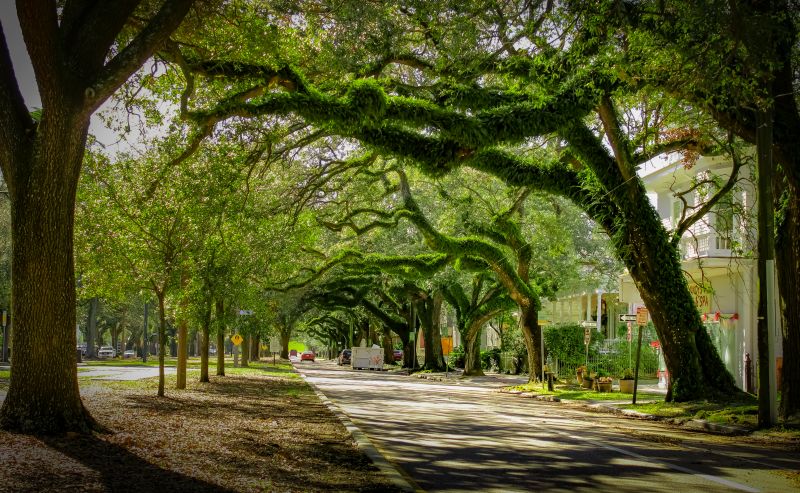
Clearly describe your tree canopy thinning project to effectively compare local contractors, verify experience, and set written expectations.
- Verify the experience and expertise of local contractors in tree canopy thinning projects. - Ensure contractors clearly define the scope of work and specific thinning techniques in writing.
- Compare multiple service providers to assess their approaches and methods for canopy thinning. - Look for detailed descriptions of the process to understand how each contractor plans to address the project.
- Check references or reviews to gauge the quality and reliability of previous canopy thinning work. - Confirm that contractors are familiar with local tree species and relevant regulations.
- Discuss and document project expectations, including the extent of thinning and preservation of tree health, in writing. - Clarify any concerns about impact on the overall landscape and canopy coverage.
- Assess the communication style and transparency of local contractors during initial consultations. - Choose service providers who provide clear explanations and are responsive to questions about the project.
Use this to compare local contractors, clarify scope, verify experience, and set clear expectations.
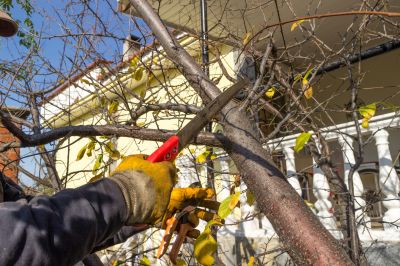

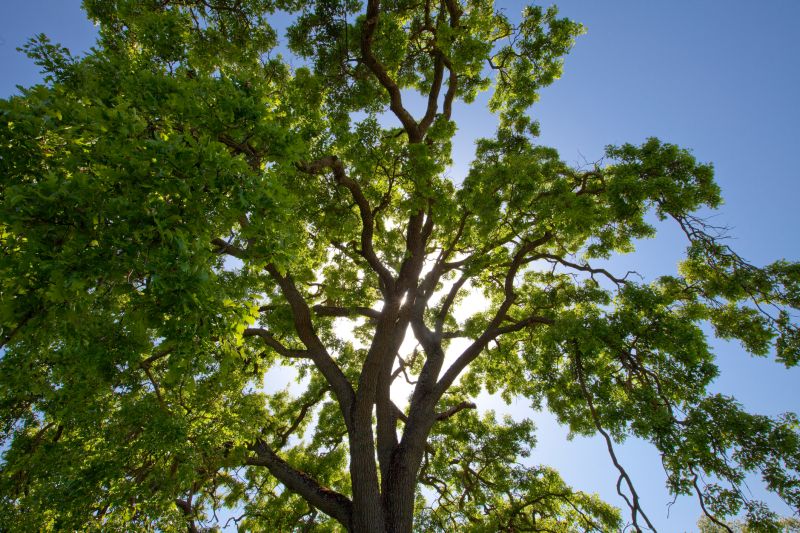
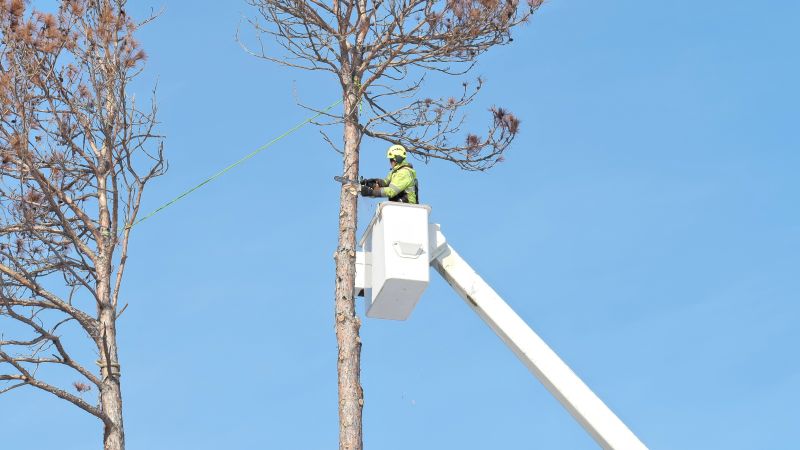
This scope builder helps compare local contractors for tree canopy thinning by clarifying work details and experience.
- Define project scope - clearly outline the specific areas and extent of tree canopy thinning needed.
- Verify contractor experience - confirm that local service providers have relevant experience with tree canopy management.
- Assess methods and techniques - ensure the scope includes details about the approaches and tools to be used.
- Establish expectations in writing - document the agreed-upon scope, procedures, and responsibilities with the chosen contractor.
- Compare local contractors - evaluate multiple service providers based on expertise, scope clarity, and communication to find suitable options.
When evaluating contractors for Tree Canopy Thinning, it’s important to consider their experience with similar projects. Service providers who have a proven track record in canopy management can better understand the nuances of different tree species, site conditions, and thinning techniques. Asking about past work that closely resembles the scope of your project can help gauge their familiarity with the specific challenges involved. A contractor’s demonstrated experience can contribute to more predictable results and informed decision-making throughout the process.
A clear, written scope of work is essential when comparing contractors for Tree Canopy Thinning. This document should outline the specific tasks to be performed, the extent of canopy reduction, and any particular methods or considerations relevant to your property. A well-defined scope helps prevent misunderstandings and ensures that expectations are aligned from the outset. When reviewing proposals or descriptions, look for detailed descriptions of the work involved, as vague or overly broad statements can lead to confusion later on.
Verification basics involve confirming that service providers understand the technical aspects of canopy thinning and can articulate their approach clearly. Ask potential contractors to describe how they plan to assess the health and structure of the trees, as well as the criteria they will use to determine which branches or limbs to remove. A contractor who can explain their process demonstrates a solid grasp of the work and helps ensure that the project will be carried out safely and effectively. Clarifying these points early can contribute to a smoother project flow and more satisfactory results.
When comparing options, it’s helpful to evaluate how each contractor plans to approach the project and how thoroughly they define the scope. Look for detailed proposals that specify the work involved and the methods to be used, rather than just general statements. Consider how well their explanations align with your goals and whether they seem knowledgeable about the specific requirements of canopy thinning. This approach can help identify service providers who are capable of delivering the desired outcome and can work within the parameters of your property.
Request written scope details to ensure clear expectations and consistent project understanding with service providers.
- Scope Definition - What specific tree canopy thinning services do the contractors include in their scope?
- Experience Verification - How can contractors demonstrate their experience with similar tree thinning projects?
- Comparison Criteria - What factors should be used to compare the qualifications and approaches of different service providers?
- Work Approach - How do contractors plan to assess the trees and determine the appropriate thinning method?
- Written Expectations - Are the scope, methods, and responsibilities clearly detailed in a written proposal or agreement?
What should I consider when choosing a contractor for tree canopy thinning? It's important to compare local contractors based on their experience with similar projects, verify their reputation, and review their scope of work to ensure it aligns with your goals.
How can I ensure clear communication with a contractor about the project scope? Clearly define what you want to achieve with canopy thinning and request the contractor to put the scope of work in writing to prevent misunderstandings.
What questions should I ask a contractor before hiring for canopy thinning? Ask about their experience with tree canopy management, the methods they use, and how they plan to handle the specific trees on your property.
How do I compare different contractors for canopy thinning services? Review their project descriptions, verify their experience, and ask for references or examples of similar work to gauge their suitability.
Why is it important to define the scope of work in writing? A written scope helps clarify expectations, reduces miscommunication, and provides a reference for the project's agreed-upon tasks and responsibilities.
What should I look for to verify a contractor's experience with canopy thinning? Seek information about their past projects, ask for details about the types of trees they've worked on, and request references or case studies if available.
Understanding the key aspects of tree canopy thinning, including defining the scope of work, verifying experience, and establishing clear expectations in writing, can help facilitate a smooth project process. By comparing different local contractors, homeowners can find service providers equipped to handle the specific needs of their trees while ensuring transparency and clarity throughout the engagement.
Utilizing the quote form allows visitors to easily explore and compare options among nearby contractors who specialize in canopy thinning. This approach supports making informed decisions by reviewing how each service provider approaches the scope, experience, and expectations, ultimately helping to identify the best match for the project.