Compare Local Contractors for Tree Crown Shaping Services
Compare local contractors for tree crown shaping to define project scope, verify experience, and set clear expectations for successful results.
Tree crown shaping is a specialized service that focuses on trimming and pruning trees to improve their appearance, health, and safety. This work typically involves removing dead or diseased branches, balancing the canopy, and shaping the crown to promote better growth patterns. Property owners may seek crown shaping to enhance curb appeal, prevent potential hazards from falling limbs, or accommodate nearby structures and utilities. Understanding the scope of this work helps ensure that the desired results are achieved while maintaining the tree's overall vitality.
Defining the scope of tree crown shaping projects is essential for setting clear expectations and ensuring the work aligns with property owners’ goals. A detailed scope might specify the extent of pruning, the types of cuts to be made, and the areas of the tree to be addressed. Clear documentation helps prevent misunderstandings and provides a basis for evaluating the quality of the work once completed. When discussing a project with local contractors, property owners should clarify their objectives, ask about the techniques that will be used, and confirm what parts of the tree will be affected.
Comparing local contractors for crown shaping involves assessing their experience, reputation, and approach to similar projects. Property owners can inquire about the types of trees they have worked on and request references or examples of previous work. It’s also helpful to verify how each service provider plans to approach the scope of work and to confirm that their methods align with the property owner’s expectations. Gathering multiple bids and asking questions about their process can assist in making an informed decision, ensuring the work is handled by experienced professionals who understand the specific needs of trees in the local area.
Compare local contractors by outlining your priorities, verifying experience, and clearly defining scope and expectations in writing.
- Compare Contractor Experience - Review the background and expertise of local contractors to ensure they are qualified for tree crown shaping.
- Define Project Scope Clearly - Specify the desired shaping outcomes and work details to set clear expectations.
- Verify Service Provider Credentials - Confirm references and previous work to assess the reliability of local contractors.
- Document Agreements in Writing - Ensure scope, responsibilities, and expectations are outlined in a formal agreement.
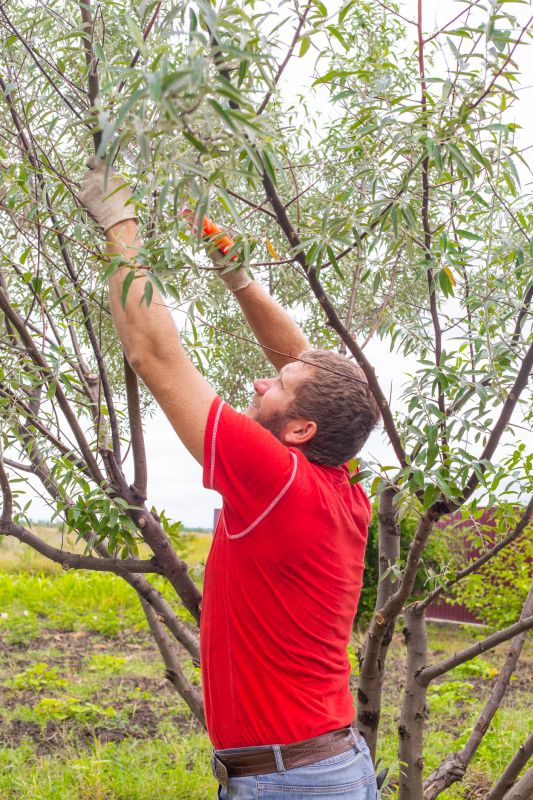
Clearly describe your tree crown shaping project to help local contractors understand your needs and compare their options effectively.
- Verify the contractor's experience with tree crown shaping to ensure they have relevant expertise. - Review their portfolio or references to assess previous work quality and scope.
- Define the specific shaping goals and expectations clearly in writing before work begins. - Communicate desired crown shape, size, and any pruning preferences to the service provider.
- Compare multiple local contractors to evaluate their approaches, methods, and reputation. - Look for consistent professionalism and positive feedback from past clients.
- Ensure the scope of work and responsibilities are documented in a detailed agreement. - Clarify what tasks are included, such as pruning, trimming, or shaping, and any exclusions.
- Ask about the techniques and tools that will be used to shape the tree crown. - Confirm that methods align with best practices for tree health and safety.
- Check that the contractor adheres to industry standards and best practices for tree crown shaping. - Ensure they follow appropriate pruning techniques to maintain tree health and aesthetics.
Compare local contractors’ experience, clarify scope, and set clear expectations in writing.
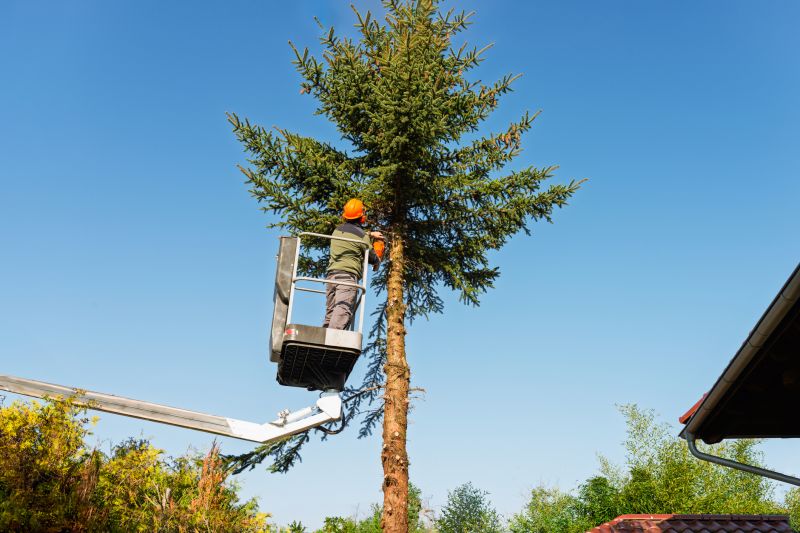

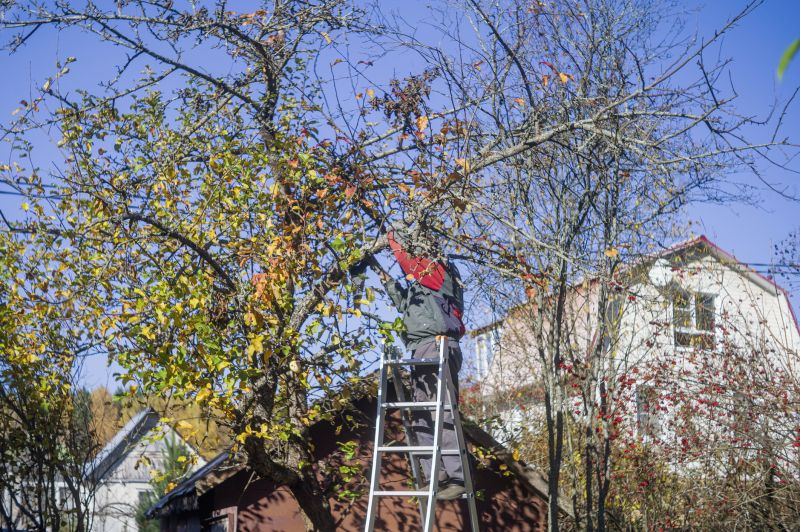
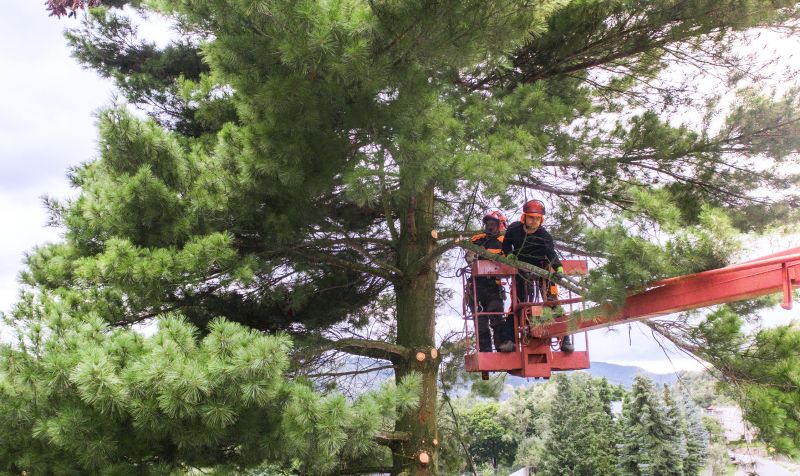
Use clear, consistent criteria to compare local contractors’ scope, experience, and written expectations for tree crown shaping.
- Define desired crown shape - specify the overall form and structure intended for the tree's canopy.
- Assess tree species and growth habits - identify the species and understand its natural growth pattern to inform shaping decisions.
- Determine pruning and trimming scope - outline which branches and areas will be pruned or trimmed to achieve the desired shape.
- Confirm experience with crown shaping techniques - verify that local contractors have relevant experience in shaping tree canopies effectively.
- Document scope and expectations in writing - ensure all shaping details and agreed-upon outcomes are clearly recorded for reference.
When comparing contractors for tree crown shaping, it’s important to assess their experience with similar projects. Homeowners should inquire about the types of trees and landscapes the service providers have worked on previously, ensuring they have a background in shaping the specific species and sizes present on the property. A contractor’s familiarity with different tree structures and pruning techniques can influence the quality and safety of the work, making experience a key factor in the decision-making process.
A clear, written scope of work is essential for establishing shared expectations. Homeowners should request detailed descriptions of the services included, such as the extent of crown shaping, pruning methods, and any specific goals for the project. Having this information in writing helps prevent misunderstandings and provides a basis for evaluating whether a contractor’s approach aligns with the property owner’s vision and needs.
Verification of a contractor’s qualifications involves reviewing their work history and references. Homeowners can ask for examples of completed projects similar in scope and complexity, and seek feedback from previous clients about the quality and professionalism of the work. Confirming that the contractor has a consistent track record with crown shaping projects offers greater confidence in their ability to meet expectations and handle the specifics of the job.
When evaluating options, it’s important to consider how well each service provider communicates and whether their proposal addresses the project’s scope comprehensively. Homeowners should compare the details of each contractor’s written scope, verify their experience with similar trees, and assess their professionalism through clear, consistent communication. This approach helps ensure that the selected contractor is well-qualified to perform the work according to the outlined expectations, leading to a successful project outcome.
Request written scope and expectations to ensure clarity and consistency when comparing tree crown shaping contractors.
- Experience and Expertise - How can I verify the contractor’s experience with tree crown shaping projects similar to mine?
- Scope of Work - What specific tasks and techniques will the contractor include in the scope of the job?
- Materials and Methods - What methods and tools do the contractors plan to use to achieve the desired crown shape?
- Project Expectations - How should the scope of work be documented to ensure clear expectations between parties?
- Comparing Contractors - What questions should I ask to understand how different local service providers approach tree crown shaping?
What should I consider when choosing a contractor for tree crown shaping? It's important to compare local contractors based on their experience, reputation, and scope of services to find a provider that meets specific project needs.
How can I verify a contractor's experience in tree crown shaping? You can ask contractors about their previous work, request references, and review any available portfolios to assess their expertise and track record.
What details should be included in a written scope of work? A clear scope should specify the desired crown shape, the trees involved, methods to be used, and any specific instructions or expectations for the project.
Why is it important to compare multiple service providers? Comparing different contractors helps identify those with the right experience, approach, and professionalism to ensure the project aligns with your goals.
How can I ensure the scope of work is understood by the contractor? It's recommended to communicate your expectations clearly in writing and confirm that the contractor agrees on the project details before work begins.
What questions should I ask a contractor before hiring for tree crown shaping? Inquire about their experience, methods, the scope of their services, and how they handle specific crown shaping techniques to ensure a good match for the project.
These pages provide an overview of what to consider when seeking contractors for tree crown shaping, including how to define the scope of work, verify experience, and set clear expectations in writing. Visitors can explore options to compare local service providers effectively, helping to identify those best suited for their specific needs. Utilizing the quote form allows for easy comparison among nearby contractors, making it simpler to find the right fit for the project.
By using the quote form, visitors can gather information to compare different local contractors specializing in tree crown shaping. This process helps clarify the scope of work and ensures expectations are documented, supporting informed decisions. Connecting with experienced service providers through this platform can assist in finding professionals who are well-equipped to handle the job, tailored to individual preferences and project requirements.