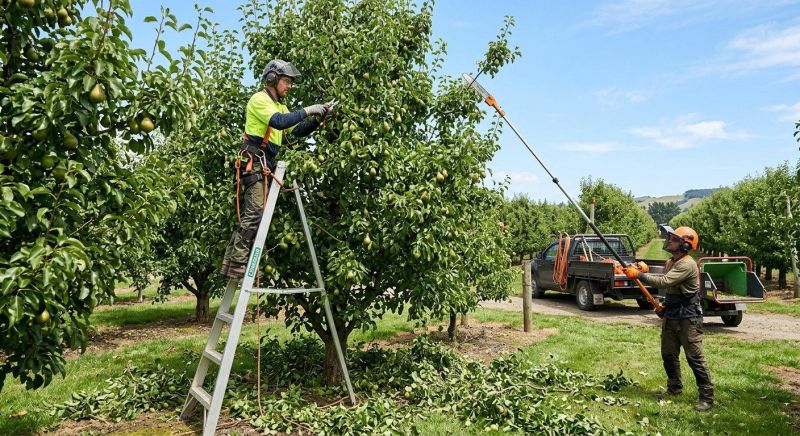
Orchard Tree Pruning in Allentown, PA
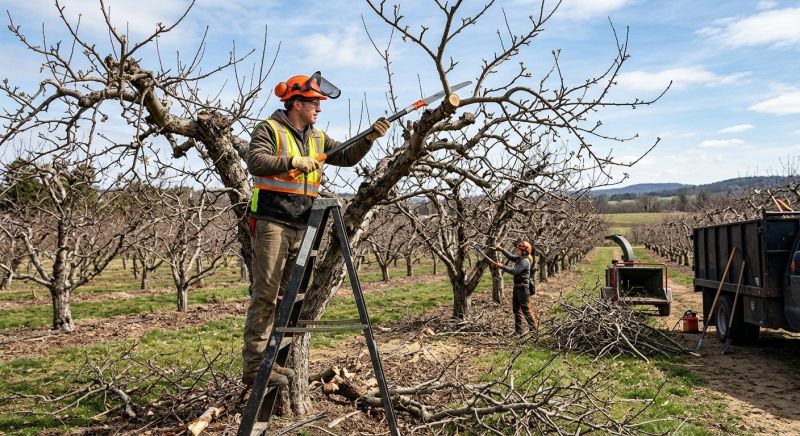
Orchard tree pruning services involve carefully trimming and shaping fruit trees to promote healthy growth, improve fruit production, and maintain the overall appearance of the trees. This process can include removing dead or diseased branches, thinning out overcrowded areas, and shaping the canopy to allow better sunlight penetration. Projects typically range from routine maintenance of established trees to more extensive pruning for young orchards or trees with overgrown or damaged branches, helping to ensure the trees remain productive and safe on the property.
Homeowners considering orchard tree pruning should understand the importance of timing and proper technique to avoid damaging the trees or reducing fruit yield. It’s helpful to know the specific type of fruit trees present, as different varieties may require unique pruning methods and schedules. Property owners often want to clarify the scope of pruning needed, whether for health, safety, or aesthetic reasons, and may seek guidance on how to best support the trees’ growth and fruit quality over time.
Many property owners in Allentown, PA look into Orchard Tree Pruning for repairs, replacements, upgrades, and appearance-related improvements.
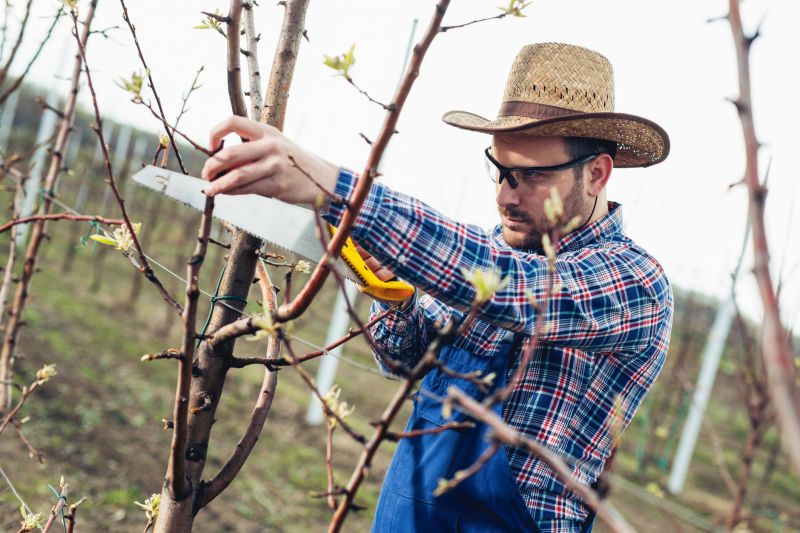
Tree Health And Structure
Proper pruning promotes strong growth and reduces the risk of disease.
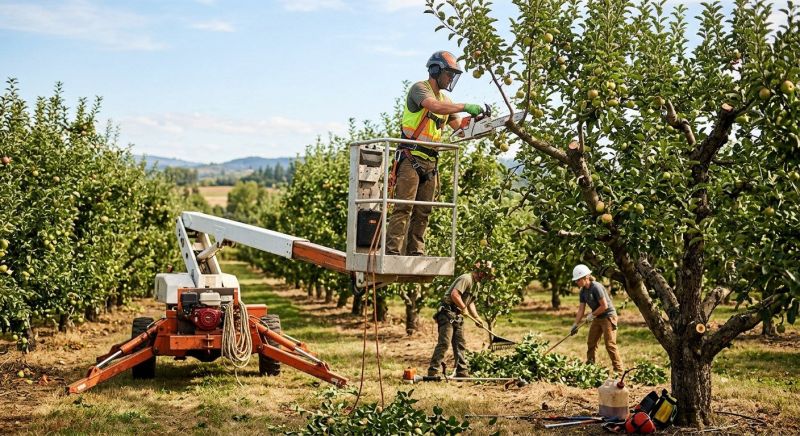
Safety And Clearance
Pruning helps maintain safe access around walkways, driveways, and buildings.
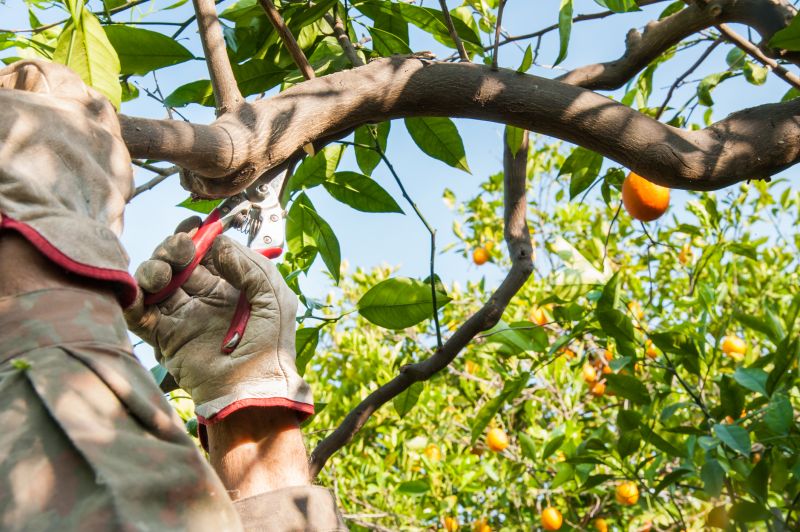
Aesthetic Enhancement
Regular trimming improves the appearance and overall appeal of orchard trees.
Orchard Tree Pruning in Allentown, PA

Orchard tree pruning services involve carefully trimming and shaping fruit trees to promote healthy growth, improve fruit production, and maintain the overall appearance of the trees. This process can include removing dead or diseased branches, thinning out overcrowded areas, and shaping the canopy to allow better sunlight penetration. Projects typically range from routine maintenance of established trees to more extensive pruning for young orchards or trees with overgrown or damaged branches, helping to ensure the trees remain productive and safe on the property.
Homeowners considering orchard tree pruning should understand the importance of timing and proper technique to avoid damaging the trees or reducing fruit yield. It’s helpful to know the specific type of fruit trees present, as different varieties may require unique pruning methods and schedules. Property owners often want to clarify the scope of pruning needed, whether for health, safety, or aesthetic reasons, and may seek guidance on how to best support the trees’ growth and fruit quality over time.
Many property owners in Allentown, PA look into Orchard Tree Pruning for repairs, replacements, upgrades, and appearance-related improvements.
Common Orchard Tree Pruning Jobs
Fruit Tree Pruning - enhances fruit production and maintains tree health.
Crown Thinning - reduces canopy density to improve light penetration and airflow.
Structural Pruning - shapes trees to promote strong branch development and prevent damage.
Deadwood Removal - eliminates dead or diseased branches to prevent decay and pest issues.
Formative Pruning - guides young trees toward proper growth and structure.
Seasonal Pruning - maintains tree health and appearance throughout the year.
Orchard Tree Pruning Questions
Why is orchard tree pruning important? Proper pruning helps maintain tree health, improves fruit production, and enhances the overall appearance of the orchard.
When is the best time to prune orchard trees? The ideal time is during the dormant season, typically late winter to early spring, before new growth begins.
What types of pruning are common for orchard trees? Thinning, heading, and selective removal of dead or diseased branches are common practices to promote healthy growth.
How can pruning benefit my fruit trees? It encourages better fruit quality, increases yield, and reduces the risk of disease and structural issues.
Request Orchard Tree Pruning in Allentown, PA
Use the quote form on this page to share the basics of your project and request more information for the type of work you need.