Compare Local Contractors for Expert Tree Shaping Services
Compare local contractors for tree shaping services to define project scope, verify experience, and set clear expectations for a successful outcome.
Tree shaping services typically involve the strategic manipulation and training of trees to achieve specific aesthetic or functional outcomes. This work can include pruning, bending, wiring, and other techniques designed to guide a tree’s growth into desired forms, such as living fences, sculptural features, or structural elements integrated into landscape design. Contractors may also provide advice on species selection and ongoing care to ensure the shaping process promotes healthy development. Understanding the scope of these services helps property owners clarify what can be achieved and ensures that the work aligns with their vision and landscape needs.
Defining the scope of a tree shaping project is essential for setting clear expectations and avoiding misunderstandings. Property owners should work with contractors to outline the specific goals, the extent of shaping desired, and any particular aesthetic or structural considerations. Documenting these details in writing can serve as a reference throughout the project, helping to confirm what is included and what might require additional planning. Establishing a well-defined scope also assists in evaluating the experience and specialization of local contractors, ensuring they have the relevant skills to meet the project’s requirements.
When comparing local contractors for tree shaping services, property owners should consider several practical factors. It’s helpful to review each service provider’s experience with similar projects and ask for examples of past work or references. Clarifying the scope of work, including techniques used and expected outcomes, allows for better comparison and ensures that the chosen contractor understands the project’s goals. Additionally, verifying that the contractor is transparent about their process and can provide detailed, written descriptions of the work helps establish a clear understanding of what to expect. This approach supports making an informed decision when selecting a service provider suited to the specific needs of the property.
Compare local contractors by outlining project priorities, verifying experience, and establishing clear written expectations.
- Compare Contractor Experience - Review each service provider’s background to ensure relevant tree shaping expertise.
- Define Project Scope Clearly - Specify the desired outcomes and work details to align expectations with local contractors.
- Verify Service Provider Credentials - Confirm qualifications and references to assess the reliability of local contractors.
- Document Agreements in Writing - Establish clear, written agreements outlining scope, responsibilities, and expectations.
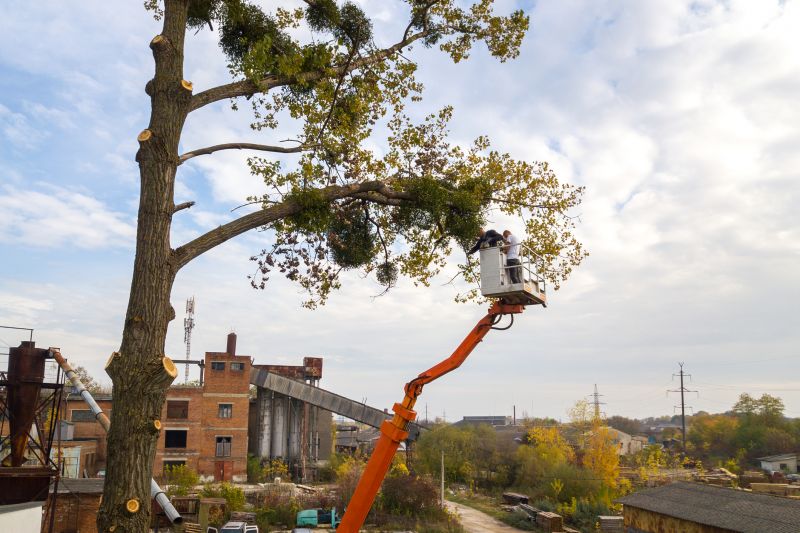
Clearly define your tree shaping project to effectively compare local contractors, verify experience, and set expectations in writing.
- Verify the contractor's experience with tree shaping projects similar in scope and complexity. - Ensure the service provider clearly defines the scope of work in writing before beginning the project.
- Compare multiple local contractors to assess their qualifications and approach to tree shaping services. - Look for detailed descriptions of techniques and methods used in tree shaping to understand their process.
- Check references or reviews to gauge the quality of previous tree shaping work performed by the contractor. - Confirm that the contractor provides a written contract outlining project expectations and deliverables.
- Assess the contractor’s understanding of tree health and safety considerations relevant to shaping techniques. - Clarify any warranties or guarantees offered in writing to ensure clarity on post-service support.
- Ensure the scope of work, including specific shaping goals and methods, is documented in a detailed agreement. - Review the contractor’s credentials and experience to ensure they meet the requirements for your specific tree shaping project.
Compare local contractors, clarify project scope, verify experience, and document expectations clearly.
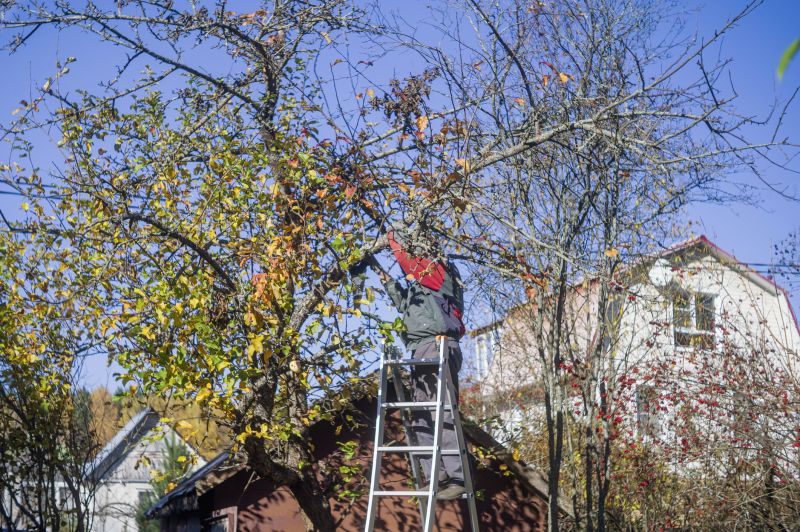
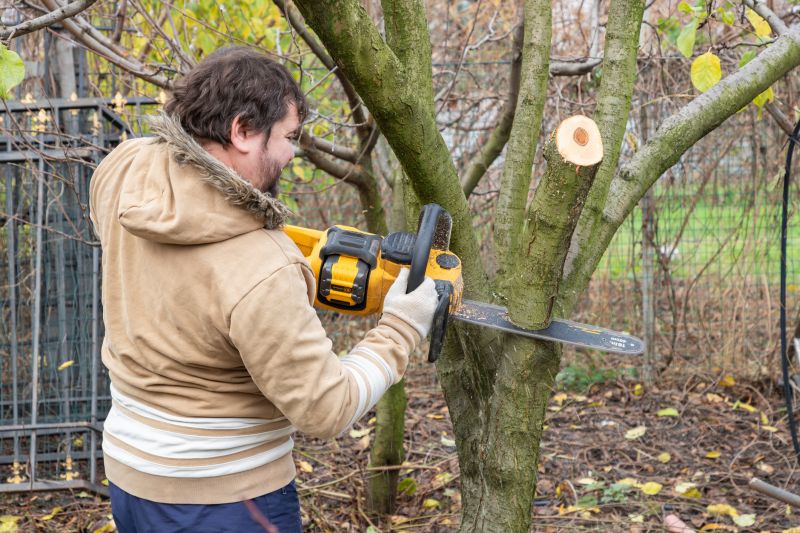
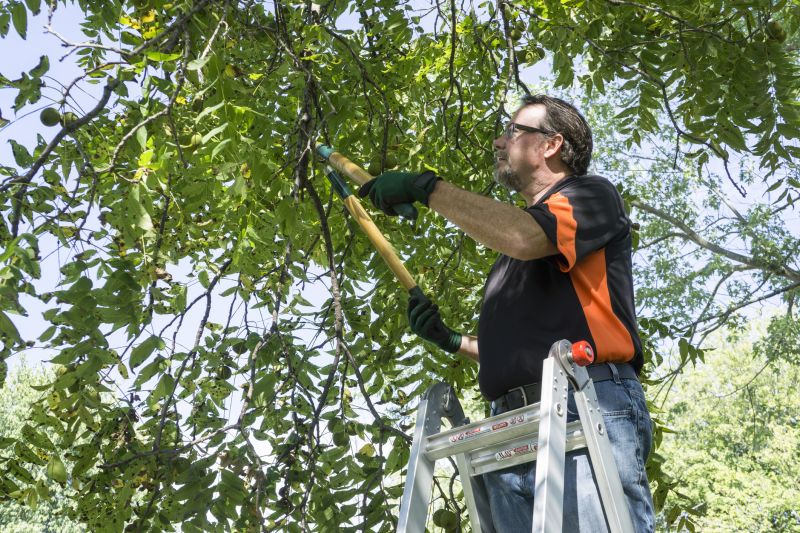
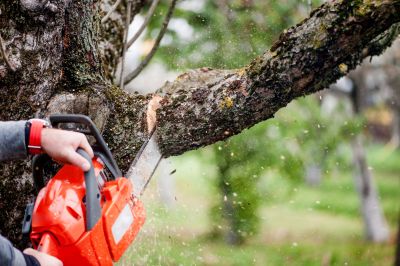
Use clear, consistent criteria to compare local contractors’ scope, experience, and written expectations for tree shaping.
- Define the scope of tree shaping services needed, including the desired design and extent of work. Clarify the specific tasks and outcomes expected from the service provider.
- Identify local contractors with experience in tree shaping, ensuring they have relevant skills and a history of similar projects. Verify the background and expertise of service providers through reviews or references.
- Establish clear project requirements and expectations in writing to prevent misunderstandings during the work process. Ensure all details, including design specifications and deliverables, are documented and agreed upon.
- Compare multiple service providers to assess their offerings, experience, and the scope of services they provide. Use this comparison to determine which local contractors best match the project needs.
- Request detailed proposals that outline the scope, methods, and materials to ensure transparency and alignment before work begins.
When comparing contractors for tree shaping services, it is important to assess their experience with similar projects. Homeowners should inquire about the types of tree shaping work the service providers have completed in the past, paying attention to the complexity and scale of those projects. Contractors with a proven track record in handling projects comparable to the current needs are more likely to deliver satisfactory results. Gathering details about their previous work can help ensure that the contractor’s expertise aligns with the specific requirements of the tree shaping task at hand.
A clear, written scope of work is essential when evaluating different contractors. This document should outline exactly what services will be provided, including the techniques to be used, the extent of shaping, and any specific outcomes expected. Having a detailed scope helps prevent misunderstandings and sets clear expectations for both parties. Homeowners are encouraged to review these documents carefully, ensuring they are comprehensive and specific enough to serve as a reference throughout the project.
Verifying the basics of a contractor’s background is a key step in the selection process. While licensing and certification are not always required, homeowners can ask for references or examples of completed projects. Confirming that the service provider has a history of successful tree shaping work can provide confidence in their capabilities. Additionally, checking for any available reviews or testimonials from previous clients can offer insights into their professionalism and reliability, helping to distinguish experienced contractors from those with less relevant expertise.
When comparing options, it is helpful to evaluate how well each contractor’s experience, scope of work, and verification details align with the project’s needs. Homeowners should consider requesting detailed proposals that include descriptions of their approach and methods, rather than focusing solely on cost. By thoroughly reviewing the scope, verifying experience, and ensuring clarity in communication, property owners can make informed decisions when selecting a service provider for tree shaping services. This approach promotes transparency and helps establish a solid foundation for a successful project.
Request written details to clearly define the scope of work and ensure consistent expectations with service providers.
- Experience and Specialization - What specific experience do local contractors have with tree shaping projects similar to this one?
- Scope of Work - How do contractors define and document the scope of the tree shaping service to ensure clear expectations?
- Materials and Techniques - What methods and materials do service providers typically use for shaping trees, and how do they differ?
- Project Approach - How do local contractors plan to approach the work to meet the desired shaping outcomes?
- References and Past Work - Can contractors provide references or examples of previous tree shaping projects they have completed?
What should I consider when choosing a contractor for tree shaping? It's important to compare local contractors based on their experience, scope of services, and reputation. Ensuring clear communication about project expectations helps set a solid foundation for the work.
How can I verify a tree shaping contractor's experience? You can review their portfolio, request references, or ask about previous projects similar to your needs. Confirming their background helps ensure they are capable of handling the job.
What questions should I ask a contractor before hiring for tree shaping? Inquire about their approach to tree shaping, the materials they use, and how they plan to execute the project. Clarifying scope and methods helps align expectations.
Why is it important to define the scope of work in writing? Having a detailed written agreement clarifies the responsibilities, deliverables, and expectations, reducing misunderstandings and ensuring everyone is on the same page.
How can I compare different tree shaping service providers effectively? Look at their experience, the scope of services offered, reviews or references, and how well they understand your project needs. This helps identify the best fit for your project.
What role does communication play in hiring a tree shaping contractor? Clear and thorough communication ensures that project goals, scope, and expectations are understood, which can lead to smoother project execution and satisfactory results.
This page has provided an overview of what to consider when seeking contractors for tree shaping services. Visitors learned the importance of clearly defining the scope of work, verifying the experience of service providers, and establishing written expectations to ensure a smooth process. Comparing local contractors can help identify the options that best match project needs and preferences.
Using the quote form allows for easy comparison of nearby service providers, helping to find the right fit for tree shaping projects. Taking the time to review and differentiate local contractors can support making informed decisions based on the specific qualities and expertise each offers.