Get Tree Branch Cutting
Tree branch cutting services help property owners safely remove overgrown, damaged, or hazardous branches to improve safety, aesthetics, and prevent property damage.
If you’re considering tree branch cutting services, you’ve come to the right place. Property owners in the area often explore this work to improve safety, prevent potential damage, and maintain the overall health and appearance of their trees. Whether it’s removing hazardous limbs, shaping trees for better growth, or clearing space around structures, planning these projects carefully can lead to better results and peace of mind. This page provides a helpful starting point to compare local contractors who specialize in tree branch trimming and related services.
Exploring your options with experienced service providers can ensure that the work is done properly and efficiently. Local contractors understand the specific needs of properties in the area and can offer tailored solutions to meet those needs. Keep reading to learn more about how to find trusted professionals who can handle your tree branch cutting projects and help keep your property safe and attractive.
- Tree pruning - needed when overgrown branches threaten the health or appearance of trees.
- Emergency branch removal - required after storms or high winds cause dangerous or fallen limbs.
- Dead branch removal - necessary to prevent decay and improve tree safety and aesthetics.
- Selective branch trimming - used to improve sunlight penetration and air circulation within the canopy.
- Utility line clearance - essential when branches grow too close to power lines, posing safety hazards.
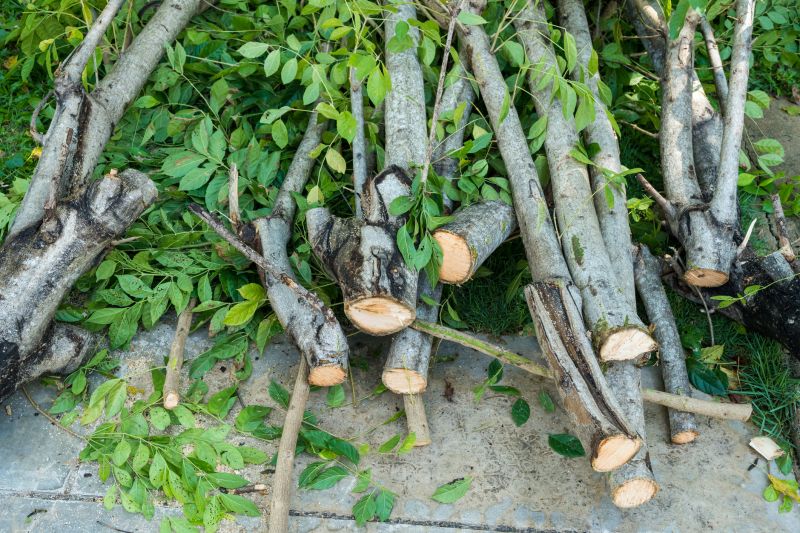
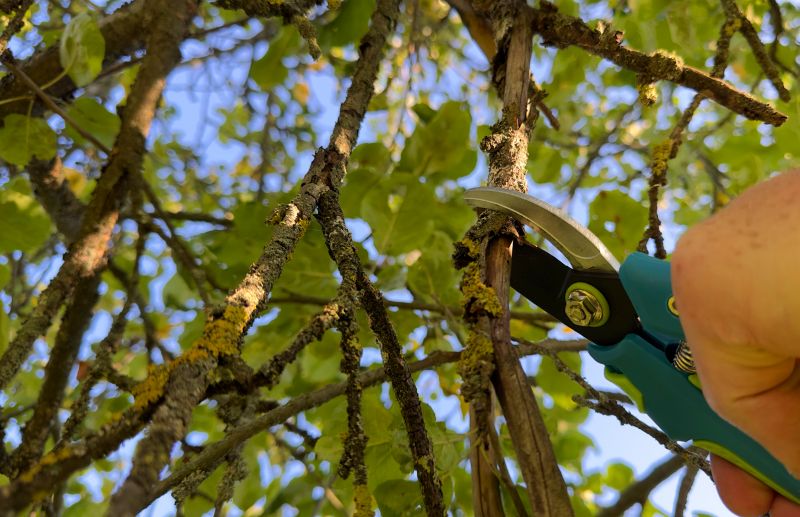
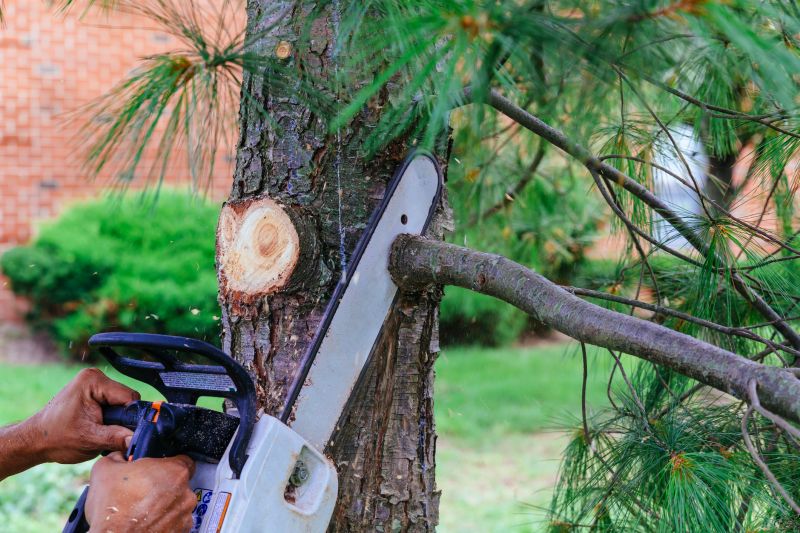
Tree branch cutting services involve the removal of overgrown, damaged, or hazardous branches from trees on residential, commercial, or public properties. This process typically includes trimming or pruning branches to improve the overall health of the tree, prevent potential damage, and enhance the appearance of the landscape. Professional contractors use specialized tools and techniques to safely and effectively cut branches, ensuring that the tree remains healthy and structurally sound after the work is completed. This service is essential for maintaining the safety and aesthetics of a property, especially when branches pose a risk of falling or causing damage during storms or high winds.
These services help address a variety of problems associated with overgrown or problematic branches. For example, branches that are too close to power lines or structures can create safety hazards or cause power outages. Dead or diseased branches can weaken the tree and increase the risk of falling debris, which could damage property or injure people. Additionally, overhanging branches that block sunlight or obstruct views may diminish the property's curb appeal. Tree branch cutting can also promote healthier growth by removing unnecessary or problematic limbs, allowing the remaining branches to thrive and the tree to maintain a balanced shape.
A wide range of properties benefit from tree branch cutting services, including single-family homes, apartment complexes, commercial buildings, and public parks. Residential properties often require branch trimming to keep yards safe and visually appealing, especially near driveways, walkways, and rooftops. Commercial properties, such as shopping centers and office parks, may need regular pruning to maintain a professional appearance and ensure safety for visitors and employees. Public parks and community spaces also rely on these services to keep trees healthy and safe for visitors, preventing potential hazards caused by falling branches. No matter the property type, professional tree branch cutting helps maintain a safe and attractive environment.
Homeowners and property managers often seek tree branch cutting services when they notice overgrown, damaged, or hazardous branches. This service is particularly useful after storms or severe weather, which can cause branches to break or become unstable. It is also a common part of routine landscape maintenance to preserve the health and appearance of trees. If branches are interfering with utility lines, obstructing views, or creating safety concerns, professional contractors can provide the necessary trimming and pruning. Contacting local service providers ensures that experienced professionals handle the work efficiently, helping to keep properties safe, healthy, and visually appealing.
The overview below groups typical Tree Branch Cutting projects into broad ranges so you can see how smaller, mid-sized, and larger jobs often compare in your area.
In many markets, a large share of routine jobs stays in the lower and middle ranges, while only a smaller percentage of projects moves into the highest bands when the work is more complex or site conditions are harder than average.
Smaller Repairs - For routine branch trimming or removal of a few small limbs, local contractors typically charge between $250 and $600. Many projects fall within this range, especially for minor pruning jobs around residential properties.
Medium-Sized Projects - Larger pruning or partial tree branch removal can range from $600 to $1,500. These jobs are common for trees requiring more extensive work, including shaping or thinning to improve health and safety.
Large or Complex Jobs - Significant branch removal, crown thinning, or tree shaping may cost $1,500 to $3,000. Fewer projects reach this level, often involving multiple trees or high-reaching branches requiring specialized equipment.
Full Tree Removal - Complete removal of a mature tree can vary widely, typically from $3,000 to $5,000 or more for very large or complex cases. These projects are less frequent and usually involve extensive planning and equipment use.
Actual totals will depend on details like access to the work area, the scope of the project, and the materials selected, so use these as general starting points rather than exact figures.
Tree Trimming - this project involves shaping and maintaining trees, requiring similar skills and tools used in branch cutting to ensure proper growth and appearance.
Stump Removal - removing tree stumps often involves digging and cutting techniques comparable to branch pruning, utilizing similar equipment and planning.
Land Clearing - clearing overgrown areas involves cutting and removing branches and small trees, requiring coordination of planning and use of cutting tools.
Hedge Trimming - shaping and maintaining hedges demands precise cutting skills and tools akin to those used in branch trimming services.
Tree Pruning - selective removal of branches to promote health and safety shares techniques and planning considerations with branch cutting projects.
Storm Damage Cleanup - clearing fallen branches and damaged limbs after storms involves cutting, planning, and safety measures similar to regular branch removal tasks.
When evaluating potential service providers for tree branch cutting, it is important to consider their experience with similar projects. A contractor who has handled a variety of tree trimming tasks can demonstrate familiarity with different types of trees and branches, as well as the appropriate techniques for safe and effective pruning. This background can help ensure that the work is performed with attention to the specific needs of the trees and the property, reducing the risk of damage or improper cuts.
Clear, written expectations are essential when comparing local contractors. A reputable service provider should be able to provide detailed descriptions of their approach, the scope of work, and any relevant procedures. Having this information in writing helps prevent misunderstandings and ensures that both parties are aligned on the project’s goals. It also offers an opportunity to ask questions or clarify any uncertainties before work begins.
Reputable references and good communication are vital indicators of a trustworthy contractor. Speaking with previous clients or reading reviews can provide insights into the contractor’s reliability, professionalism, and quality of work. Additionally, a service provider who communicates clearly and promptly can make the process smoother and more transparent. While this site introduces homeowners to local options, it does not perform the work itself, making it important to independently verify these qualities when selecting a contractor for tree branch cutting services.
Property owners use Tree Branch Cutting services for practical projects around their homes and businesses. This guide focuses on everyday jobs and straightforward project options.
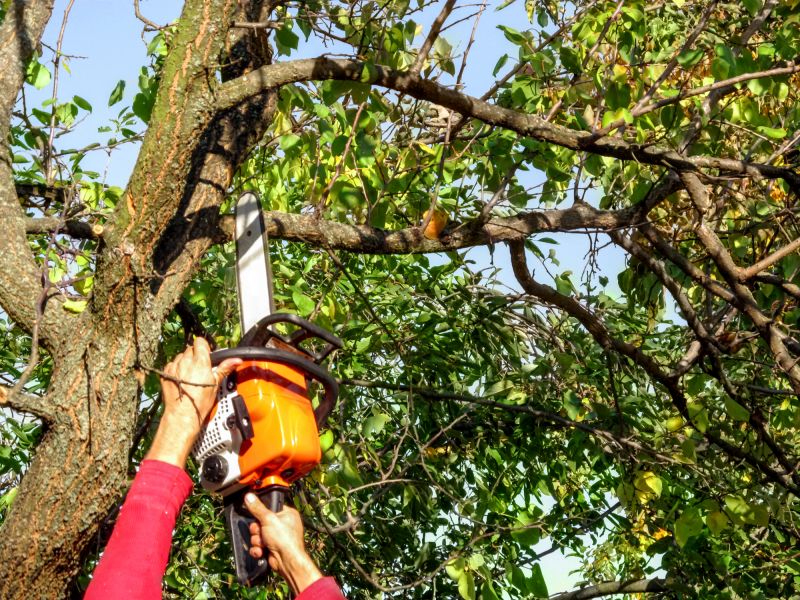
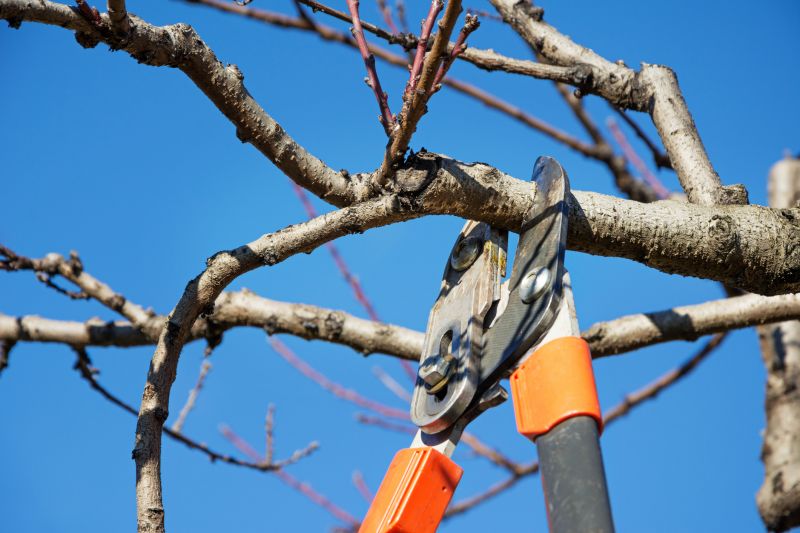
Tree branch cutting services are often needed when property owners notice overgrown or damaged limbs that pose a risk to their home or surrounding area. Common situations include clearing away branches that hang too close to power lines, removing dead or diseased limbs, or trimming trees to improve their overall health and appearance. Local contractors can handle these routine maintenance tasks to help keep properties safe and well-maintained, especially when branches become a concern during storms or high winds.
Additionally, property owners may seek tree branch cutting to prepare for landscaping projects, prevent obstruction of views, or comply with local regulations regarding tree maintenance. Whether for aesthetic reasons or safety considerations, experienced service providers in the area are available to assist with these straightforward projects. They can provide the necessary expertise to ensure that trees are properly trimmed without causing unnecessary damage.
What is tree branch cutting? Tree branch cutting involves trimming or removing specific branches to improve tree health, safety, or appearance.
Why should I consider professional branch cutting services? Professionals ensure the job is done safely and effectively, reducing the risk of damage to the tree or property.
How do I find local contractors for tree branch cutting? You can compare and connect with local service providers through online lead generation platforms that match you with experienced arborists.
Is tree branch cutting necessary for tree health? Regular branch trimming can promote healthy growth and prevent issues caused by overgrown or diseased branches.
What safety precautions are involved in branch cutting? Experienced contractors use proper equipment and techniques to safely remove branches, minimizing potential hazards.
Tree Branch Removal for Safety - Local contractors can trim or remove overhanging branches that pose a risk to property or pedestrians.
Landscape Enhancement - Professionals can prune branches to improve the overall appearance and health of trees in the yard.
Storm Damage Cleanup - Service providers can clear broken or fallen branches after storms to prevent further damage.
Property Clearance - Contractors can help clear away dead or unwanted branches to prepare outdoor spaces for seasonal changes.
If you are thinking about Tree Branch Cutting for a property, this guide is meant to help you understand the work, the typical project types, and how different options might fit your plans.
When you are ready, you can use the quote form on this page to share a few details about your project. From there, local pros can review the basics and respond with options that match what you have in mind.