Compare Local Contractors for Reliable Tree Lopping Services
Compare local contractors for tree lopping to define scope, verify experience, and set clear expectations for a safe, effective service.
Tree lopping services typically involve the careful removal of specific branches or sections of a tree to improve its health, shape, or safety. This work can include pruning overgrown limbs, removing dead or diseased wood, and reducing the size of trees that might pose a risk to nearby structures or power lines. Proper tree lopping not only helps maintain the aesthetic appeal of a property but also promotes healthier growth and reduces hazards caused by falling branches or unstable trees. It’s important for property owners to clearly understand what is involved in the scope of work to ensure that the service addresses their specific needs and expectations.
Defining the scope of tree lopping work is a crucial step in the process of selecting a contractor. A detailed scope helps ensure that both property owners and service providers are aligned on what tasks will be performed, which trees or branches are involved, and any particular considerations such as access points or safety precautions. Having this clarity in writing can prevent misunderstandings and ensure that the work is completed to the property owner’s satisfaction. When discussing scope, it’s useful to specify which trees need attention, the extent of pruning or removal, and any other relevant details that could affect the outcome.
Property owners can compare local contractors by examining their experience, reputation, and the services they offer. It’s beneficial to verify how long a contractor has been working in the area and whether they have a history of completing similar projects successfully. Reading reviews or seeking recommendations can provide insights into the quality of their work and professionalism. Additionally, reviewing written descriptions of the scope of work, as well as any warranties or guarantees offered, can help property owners make informed decisions. Ensuring that contractors clearly outline their approach and expectations in writing can contribute to a smoother process and a result that meets the property owner’s needs.
Compare local contractors by outlining your project priorities, verifying experience, and setting clear expectations in writing.
- Compare Service Providers - review and evaluate local contractors to find the best match for your tree lopping needs.
- Define Project Scope - clearly outline the work requirements to ensure mutual understanding with contractors.
- Verify Experience - check the background and expertise of local contractors to ensure they can handle the job.
- Set Expectations in Writing - document the agreed scope and details to help prevent misunderstandings during the project.
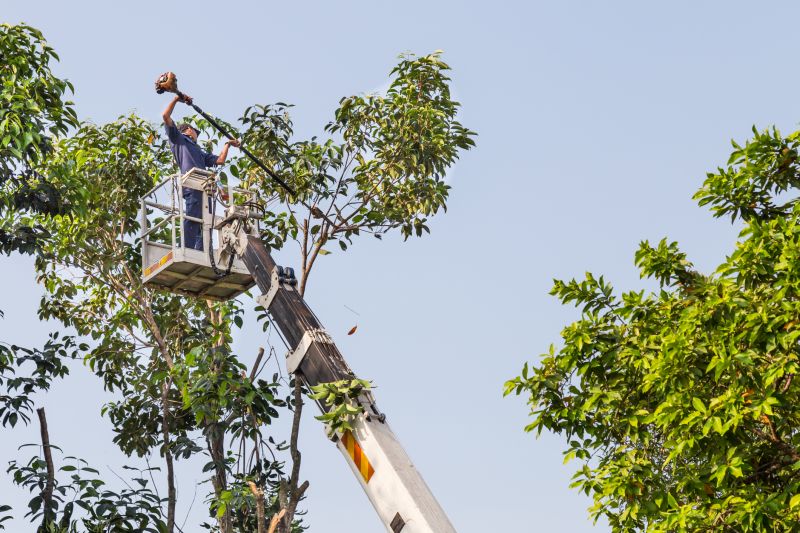
Clearly describing your tree lopping project helps compare local contractors, verify experience, and set expectations effectively.
- Verify the experience and reputation of local contractors specializing in tree lopping services. - Ensure service providers clearly define the scope of work and the methods they will use.
- Compare the qualifications and expertise of different local contractors to find those with relevant tree lopping experience. - Check that contractors follow proper safety protocols and industry standards.
- Confirm that the scope of the tree lopping project is detailed and agreed upon in writing. - Look for service providers who provide comprehensive written estimates outlining the work to be performed.
- Assess the communication style and responsiveness of local contractors to ensure clear and professional interactions. - Choose service providers who are transparent about their process and willing to answer questions.
- Review any available references or testimonials to gauge the reliability and quality of the contractor’s previous work. - Prioritize local service providers with a track record of satisfied clients.
- Ensure the contractor explains their approach to pruning, removal, and disposal to align with project expectations. - Select providers who communicate their methods and ensure they match the desired outcome.
Compare local contractors, clarify project scope, verify experience, and set clear expectations in writing.
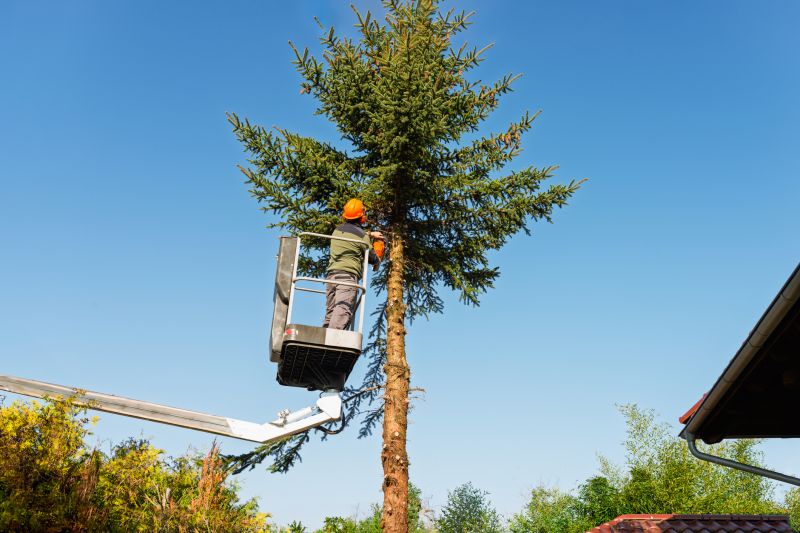
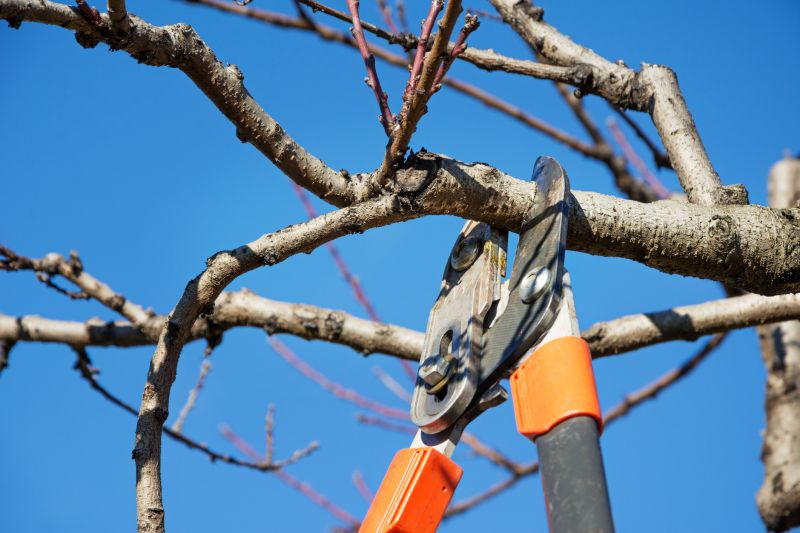
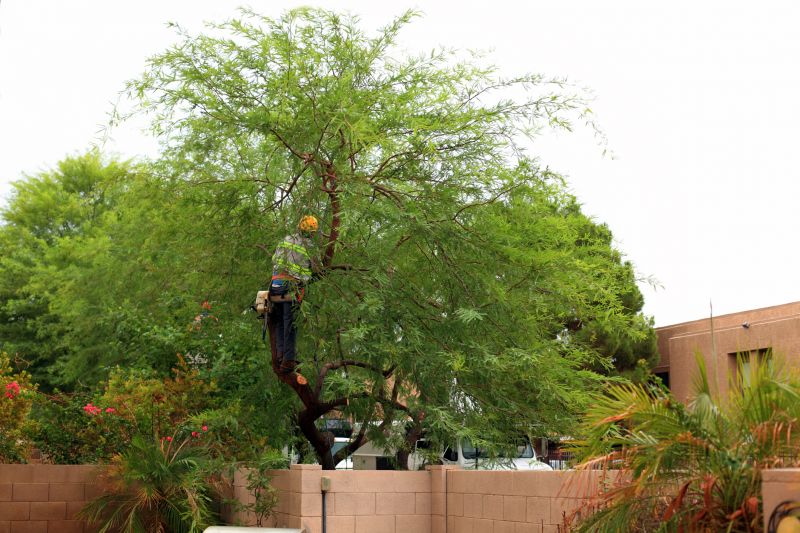
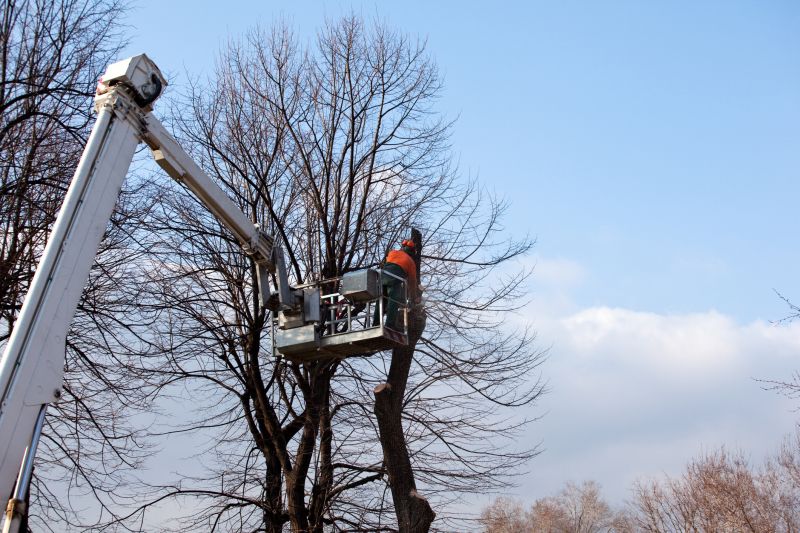
This section helps compare local contractors by establishing clear scope, verifying experience, and setting expectations in writing.
- Scope Definition - Clearly outline the specific tree lopping tasks required, including the size, type, and location of trees to be serviced.
- Experience Verification - Confirm that local contractors have relevant experience with tree lopping projects similar in scope and complexity.
- Equipment and Techniques - Specify the tools and methods that will be used to ensure safe and effective tree lopping practices.
- Work Site Preparation - Determine what preparations or access requirements are necessary for the contractors to perform the work efficiently.
- Written Agreement - Ensure all project details, scope, and expectations are documented in a formal agreement before work begins.
When comparing contractors for tree lopping services, it is important to consider their experience with similar projects. Homeowners should inquire about the types of trees they have previously worked on and the scope of their past work. Service providers with a proven track record handling trees of comparable size, species, and location are more likely to understand the unique challenges involved. This background can help ensure that the contractor has the practical knowledge necessary to perform the job safely and effectively.
A clear, written scope of work is essential when evaluating potential contractors. This document should outline the specific tasks to be completed, including tree removal, pruning, or cleanup, as well as any safety measures or site preparations involved. Having a detailed scope helps set clear expectations and provides a basis for comparing different service providers. It also serves as a reference point to prevent misunderstandings and ensure that both parties agree on what the project entails.
Verification basics are a key part of choosing the right contractor. Homeowners should verify that the service providers have appropriate experience, references, or examples of completed work in similar settings. Confirming that the contractor understands local regulations and safety standards can also be beneficial. While licensing and certification are not always mandatory, ensuring that the contractor can demonstrate a history of quality work and professionalism can provide added confidence in their ability to handle the project responsibly.
When evaluating options, homeowners should focus on how well each contractor’s approach aligns with their project needs. Comparing written proposals for scope, methodology, and safety protocols can help identify the most suitable service providers. Asking for detailed explanations of how they plan to approach the job, what safety precautions they will implement, and how they will handle potential challenges can lead to a more informed decision. This process ensures that expectations are clearly established and that the chosen contractor has the appropriate experience and plan to complete the work as needed.
Ask contractors to provide written scope details to ensure clear, consistent expectations for the tree lopping service.
- Experience and Qualifications - What level of experience and expertise do the local contractors have in tree lopping services?
- Scope of Work - How can the scope of the tree lopping project be clearly defined and agreed upon in writing?
- Services Offered - Do the local service providers offer the specific tree lopping services needed for the property?
- Comparison of Contractors - What criteria can be used to compare the qualifications and approaches of different local contractors?
- Work Methods and Safety - How do the contractors plan to approach the job and ensure safety during tree lopping?
What should I consider when choosing a tree lopping contractor? It's important to compare local contractors based on their experience, scope of work, and reputation. Verifying their knowledge of tree removal techniques and ensuring clear communication about the project scope can help in making an informed decision.
How can I define the scope of a tree lopping project? Clearly outline the trees to be lopped, the extent of pruning or removal needed, and any safety or access considerations. Providing detailed information helps contractors understand the work and set accurate expectations.
What questions should I ask potential contractors about their experience? Inquire about their previous projects, types of trees they have handled, and any relevant expertise in tree lopping. This can help gauge their capability to manage the specific requirements of the job.
Why is it important to get written agreements with contractors? Written agreements specify the scope of work, responsibilities, and expectations, reducing misunderstandings. Ensuring all details are documented helps protect both parties and facilitates smooth project execution.
How can I compare different tree lopping service providers? Review their qualifications, experience, scope of work, and reputation. Gathering multiple proposals and clarifying the details of each can assist in identifying the best fit for the project.
What should I look for when verifying a contractor's experience? Check their track record with similar projects, ask for references if available, and confirm they understand the specific requirements of tree lopping to ensure quality work.
Visitors now have a clearer understanding of how to find qualified contractors for tree lopping services by comparing options, clarifying the scope of work, verifying experience, and establishing clear expectations in writing. This approach helps ensure that the chosen service providers align with specific project needs and preferences.
Encouraging the use of the quote form, individuals are invited to explore and compare local contractors who can handle tree lopping tasks. Utilizing this tool makes it easier to connect with experienced service providers and make informed decisions based on the options available in the area.